
Introduction
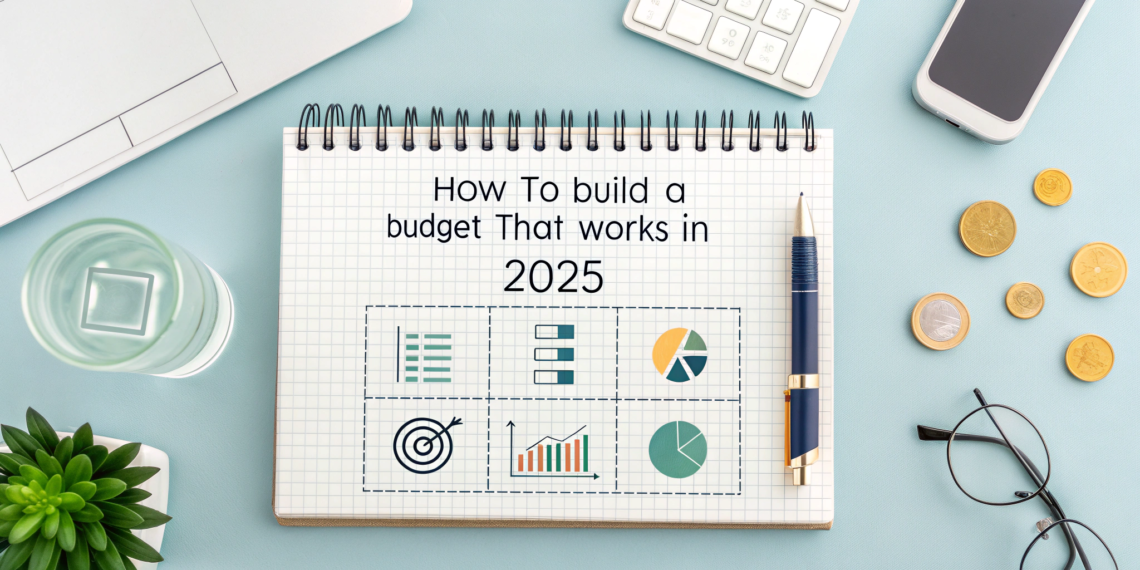
How to build a budget that works in 2025 is one of the most important financial skills you can develop if you want real control over your money. With rising living costs, multiple subscriptions, and digital spending becoming the norm, many people feel stressed about where their income actually goes each month. A well-planned budget doesn’t restrict your lifestyle—it gives you clarity, confidence, and freedom to make smarter financial decisions.
Many people fail at budgeting because they create unrealistic plans that don’t match their daily habits. The key to success is building a flexible and practical system that works with your income, expenses, and personal goals. Whether you’re a student, a working professional, or managing a household, learning how to build a budget that works can help you reduce debt, grow savings, and plan for the future without feeling overwhelmed.
In this guide, you’ll learn simple, step-by-step budgeting strategies designed for real life in 2025. From tracking income and expenses to choosing the right budgeting method and avoiding common mistakes, this post covers everything you need to create a budget you can actually stick to. By the end, you’ll have a clear roadmap to manage your money better, save consistently, and achieve long-term financial stability.
Step 1 — Track Your Income and Expenses to Build a Budget That Works
List All Income Sources
Salary, side hustles, dividends, and freelance payments.
Track Expenses
Categorize into fixed (rent, utilities), variable (groceries, gas), and discretionary (entertainment).
Mini Case Study: Mia tracked her expenses for 2 months and discovered she was overspending $200 on subscriptions.
Step 2 — Set Clear Financial Goals
Short-Term Goals: Build an emergency fund, pay off credit cards, save for vacations.
Long-Term Goals: Retirement, buying a house, children’s education.
Tip: Use SMART goals (Specific, Measurable, Achievable, Relevant, Time-bound) for clarity and motivation.
Step 3 — Choose a Budgeting Method
50/30/20 Rule: 50% needs, 30% wants, 20% savings/investments.
Zero-Based Budget: Assign every dollar a purpose.
Envelope Method: Allocate cash for categories to avoid overspending.
Example: Alex uses 50/30/20 and automatically transfers 20% of income to a savings account.
Step 4 — Automate Your Budget
Tools: Mint, YNAB, PocketGuard, or bank auto-transfer features.
Benefit: Reduces the risk of overspending and ensures consistent saving.
Mini Case Study: Sarah automated her bills and savings, eliminating late fees and increasing her emergency fund by 30% in 6 months.
Step 5 — Monitor and Adjust Regularly
Monthly Review: Compare actual spending vs budgeted amounts.
Adjust Categories: Increase or decrease allocation based on lifestyle changes.
Tip: Flexibility keeps your budget realistic and sustainable.
Step 6 — Cut Unnecessary Expenses
Cancel unused subscriptions.
Cook at home more often.
Shop for better deals on utilities and insurance.
Mini Case Study: David saved $150/month by switching to a cheaper phone plan and canceling unused streaming services.
Step 7 — Save and Invest Automatically
High-Yield Savings Accounts: Build emergency funds faster.
Automatic Investments: Set up recurring contributions to ETFs or retirement accounts.
Tip: “Pay yourself first” ensures saving becomes a priority, not an afterthought.
Common Budgeting Mistakes to Avoid
Ignoring irregular expenses (holidays, gifts).
Being too restrictive—unrealistic budgets fail.
Not tracking spending consistently.
Skipping the review and adjustment step.
Overlooking savings and investment allocations.
FAQs About Budgeting
Q1: How often should I review my budget?
A: Monthly reviews help track progress and adjust for lifestyle changes.
Q2: Can I budget if my income is irregular?
A: Yes. Use an average monthly income or prioritize essential expenses first.
Q3: How much should I save each month?
A: Aim for at least 20% of net income for savings and investments.
Q4: What budgeting method is best?
A: The method that fits your lifestyle—50/30/20 is simple, while zero-based budgeting is precise.
Q5: Can budgeting reduce financial stress?
A: Absolutely. Knowing where your money goes increases confidence and control.
Internal Linking Suggestions
Link to: Post 1: 10 Essential Financial Planning Tips for 2025
Link to: Post 3: Saving Strategies That Actually Work
External References
NerdWallet: How to Make a Budget
Investopedia: Budgeting Basics