
Introduction
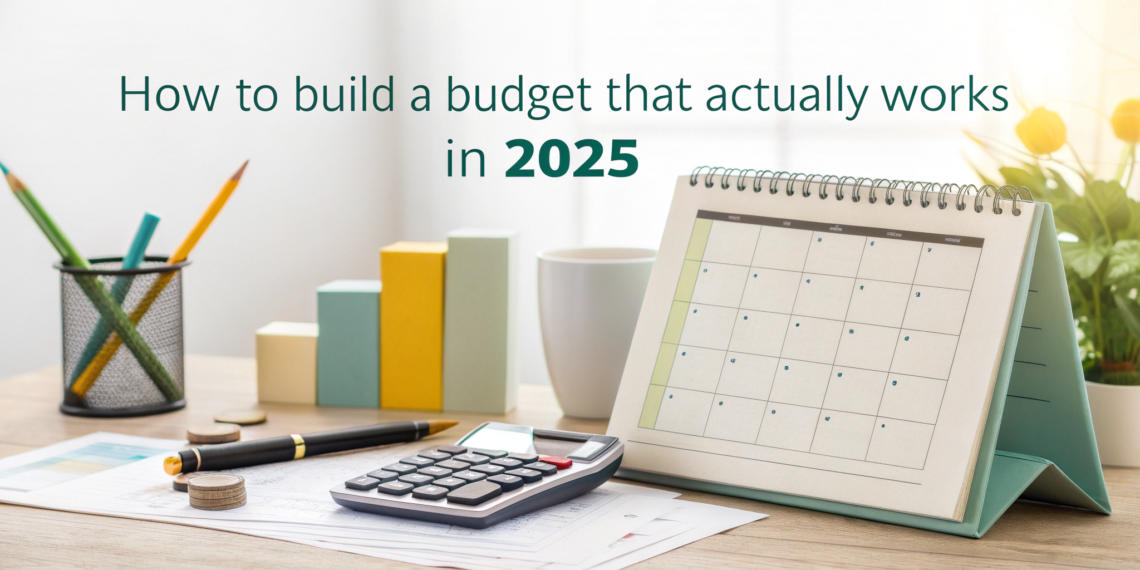
Build a budget that actually works in 2025 by focusing on clarity, flexibility, and realistic money habits that match modern lifestyles. With rising living costs, digital payments, subscriptions, and unpredictable expenses, many people feel frustrated about where their money goes each month. Budgeting is no longer just about writing numbers on paper—it’s about creating a smart system that helps you control your income, manage spending, save consistently, and still enjoy your life without guilt.
One of the biggest reasons people fail to build a budget that actually works is because they follow rigid rules that don’t fit real-life behavior. Traditional budgeting advice often ignores fluctuating income, unexpected expenses, and the psychological side of spending. As a result, people start strong but give up within a few weeks. In 2025, successful budgeting is about flexibility, awareness, and automation—not restriction or punishment.
Over the years, I’ve helped individuals, couples, freelancers, and families build a budget that fits their income, goals, and daily routines. I’ve seen firsthand that the most effective budgets are simple, realistic, and designed to work with your habits rather than against them. Whether you earn a fixed salary or have irregular income, learning how to build a budget that actually works can help you reduce debt, grow savings, and feel confident about your financial decisions
Step 1 — Assess Your Income and Expenses
List All Income Sources
Include salary, side hustles, freelance work, and passive income.
Track Every Expense
Use apps like Mint, YNAB, or a simple spreadsheet to categorize spending.
Mini Case Study: Lisa tracked her $4,000 monthly income and realized she was spending $600 unnecessarily on subscription services.
H2: Step 2 — Set Clear Financial Goals
H3: Short-Term Goals
Examples: Emergency fund, paying off credit cards.
H3: Long-Term Goals
Examples: Retirement, home purchase, investing.
Tip: Allocate percentages of income toward each goal (e.g., 20% savings, 10% debt repayment).
Step 3 — Choose a Budgeting Method
H3: 50/30/20 Rule
50% needs, 30% wants, 20% savings/debt repayment.
Zero-Based Budgeting
Every dollar has a job—income minus expenses equals zero.
Example: Mark used zero-based budgeting to assign every dollar, helping him save $500/month.
Step 4 — Automate Your Budget
Automatic Transfers
Move savings and bill payments automatically to prevent missed payments.
Use Budgeting Apps
Apps provide reminders, track progress, and visualize spending patterns.
Mini Case Study: Automated transfers helped a freelancer avoid late fees and grow an emergency fund without thinking about it.
Step 5 — Monitor and Adjust Monthly
Review Spending Trends
Identify categories where you overspend or underspend.
Adjust Goals as Needed
Life changes—budgeting should be flexible.
Tip: Schedule a monthly budget review to stay on track.
Step 6 — Reduce Expenses Strategically
Negotiate Bills
Contact service providers for discounts on internet, insurance, or subscriptions.
Cut Non-Essential Spending
Limit dining out, impulse purchases, and unused subscriptions.
Example: Reducing daily coffee shop visits saved $120/month for one individual.
Step 7 — Build a Savings Cushion
Emergency Fund
Aim for 3–6 months of living expenses.
Short-Term Savings
For vacations, gifts, or big purchases.
Mini Case Study: Emily created a $5,000 emergency fund in 12 months by consistently following her budget plan.
Common Budgeting Mistakes to Avoid
Ignoring irregular or seasonal expenses.
Being too rigid—life happens; budgets should adapt.
Not tracking small daily expenses that accumulate.
Skipping the review and adjustment process.
Overlooking savings goals while focusing only on bills.
FAQs About Budgeting in 2025
Q1: How often should I review my budget?
A: Monthly reviews are ideal, but track spending weekly for better control.
Q2: Is budgeting necessary if I earn a high income?
A: Yes. High income doesn’t prevent overspending or missed financial goals.
Q3: Should I budget every dollar?
A: Zero-based budgeting helps give every dollar a purpose, but choose a method that fits your style.
Q4: How do I stick to a budget without feeling restricted?
A: Allocate money for fun and adjust categories for balance—don’t cut out everything you enjoy.
Q5: What if unexpected expenses occur?
A: Keep an emergency fund and adjust other budget categories temporarily.
Internal Linking Suggestions
Link to: Post 2: 10 Essential Financial Planning Tips for 2025
Link to: Post 5: Top 7 Money-Saving Strategies for 2025 That Actually Work
External References
NerdWallet: Budgeting Tips Investopedia: Budgeting Strategies